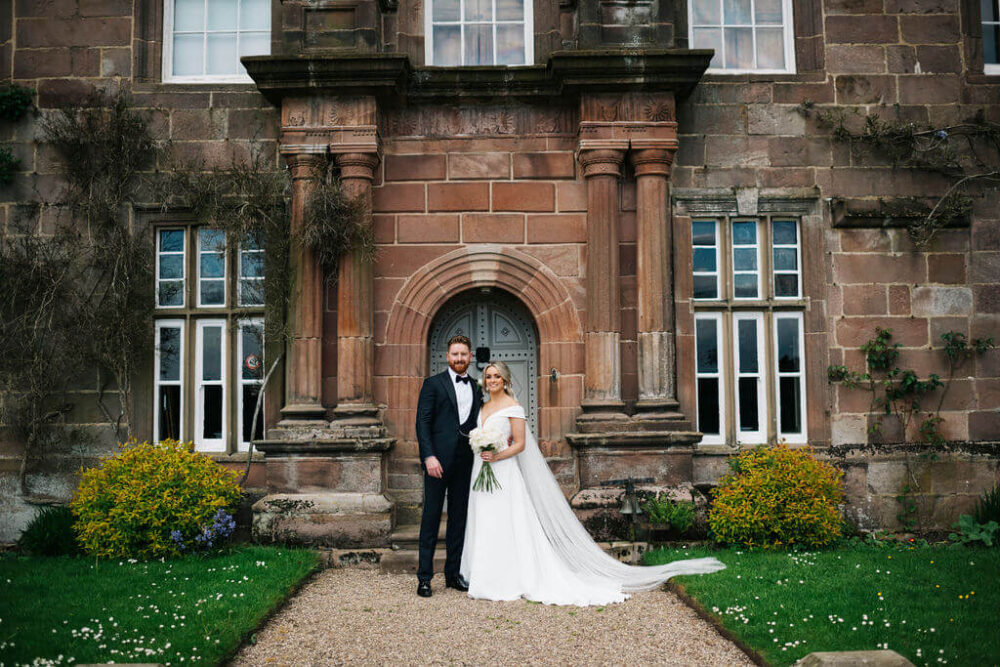
Knowing what to wear to an autumn winter wedding is not always as simple as pulling out your smartest jacket and hoping for the best. Colder months bring their own kind of atmosphere: candlelit receptions, country houses glowing after dusk, deeper textures, polished shoes on wet stone, and photographs taken in the kind of low winter light that can make a well-cut outfit look exceptional.
The problem is that autumn and winter weddings ask more from your outfit than summer weddings do. You need to respect the dress code, stay warm during the ceremony, look considered in photographs and feel comfortable from the first drink to the final dance. Get it wrong and the day can quickly become awkward. A lightweight summer jacket may look sharp indoors but feel miserable outside. A coat that works for the commute can flatten an otherwise elegant wedding guest outfit. A fabric that looks smart on the hanger may crease, cling or feel too casual once you are sitting through speeches.
This guide solves that by focusing on what actually matters: wedding suits, seasonal fabrics, dress code, layering, footwear and finishing details. The aim is not to make autumn and winter dressing more complicated. It is to help you build an outfit that feels intentional, warm and appropriate without looking overdone.
Start With the Dress Code, Then Read the Venue
The best answer to what to wear to an autumn winter wedding always starts with the invitation. Before you think about fabric, shoes or whether a jewel tone tie is too bold, check the dress code. A black tie wedding in December is a very different occasion from a relaxed autumn wedding in a converted barn, even if both happen in cold weather.
For black tie, the expectation is clear. A formal evening look is needed, usually with a dinner jacket, formal shirt, bow tie and polished black shoes. This is not the moment to improvise with a casual jacket or a loose interpretation of smart. The whole point of black tie is uniformity, refinement and evening elegance. A well-fitted jacket, sharp trousers and clean formal shoes will always look better than something trend-led that bends the rules too far.
For a formal or semi-formal wedding, a wedding suit in a heavier cloth is usually the safest choice. Navy, charcoal and deeper seasonal tones work well, although there is no need to make colour the main feature of the outfit. Since this guide is not a colour deep dive, the practical point is simple: choose a shade that feels grounded, smart and easy to pair with a shirt, tie and coat. A sharp navy wedding suit with a white shirt, textured tie and black or dark brown shoes will work for most autumn winter settings.
Cocktail dress codes allow slightly more personality, but they still call for polish. You might choose a softer fabric, a more textured tie or a jacket with subtle character. The danger with cocktail attire is assuming it means casual. It does not. It simply gives you more room to soften the formality without losing the sense of occasion.
The venue should be your second clue. Older churches, country houses and rural estates can be much colder than expected, especially during the ceremony. Hotel weddings tend to be warmer and more controlled, but you may still be outside for photographs. Barn venues can look beautiful in autumn, yet stone floors, gravel paths and open doors change what feels practical. A city wedding often suits cleaner tailoring, a more refined overcoat and polished shoes that can move between ceremony, bar and reception without looking too rustic.
A useful way to think about it is this: the dress code tells you how formal to be, while the venue tells you how practical you need to be. Ignore either one and the outfit starts to fail. A heavy tweed jacket may feel right in the countryside but look too relaxed at a black tie hotel reception. A sleek formal jacket may look perfect indoors but feel exposed during November photographs in a courtyard.
Women attending the same event might be considering long sleeve dresses, a midi dress, a winter wedding guest dress or autumn florals in darker prints. That context matters because it tells you something about the tone of the day. Autumn and winter wedding outfits are usually less breezy and more textural than summer looks. Your wedding suit should sit comfortably in that same world: warm, structured and elegant, not light, thin or overly businesslike.
Choose a Wedding Suit Fabric That Works With the Weather
Autumn and winter weddings are not just colder, they are more changeable. The Met Office’s climate resources show why long-term temperature, rainfall and daylight matter when planning what to wear. In December, London has roughly eight hours of daylight, which means many ceremonies and photographs happen in dimmer, cooler conditions than they would in summer. That has a direct effect on your outfit. Fabric needs to hold shape, photograph well and keep you comfortable when the temperature drops.
Wool is the most reliable starting point for a wedding suit. It has structure, drape and breathability, which is why it works so well across long days. A good wool wedding suit can feel warm without becoming stuffy once you move indoors. That matters more than people realise. Weddings are rarely one steady temperature. You may go from a cold taxi queue to a warm ceremony room, then outside for photographs, then into a packed reception. A fabric that handles those shifts will make the day far easier.
Heavier wool cloths also tend to look better in autumn and winter light. Thin fabrics can appear flat or slightly limp, especially under low skies or artificial evening lighting. A more substantial cloth gives the jacket a cleaner line across the shoulders and chest. The difference is subtle, but it shows in photographs.
Tweed can be excellent for certain autumn wedding settings, particularly rural venues, country houses and less formal ceremonies. It brings texture and warmth, but it needs care. Too much tweed can look more countryside weekend than wedding guest attire. A refined tweed wedding suit, or a carefully chosen jacket as part of a clearly formal outfit, works best when the invitation and venue support it. Herringbone and muted checks are usually easier to wear than large, high-contrast patterns.
Velvet has a place, but it should be used with precision. For a winter evening wedding, especially close to Christmas or New Year, a velvet jacket can look rich and celebratory. The trick is restraint. Let the texture do the work. A velvet jacket with formal trousers, a crisp shirt and understated accessories can look elegant. Add too many statement pieces and it can become theatrical.
Flannel is another strong cold-weather option. It has a softer handle than many worsted wools and can feel relaxed without becoming casual. For a winter wedding where the dress code is smart but not black tie, flannel can add quiet depth to the outfit. It also pairs well with knitted or textured accessories, provided the final look remains polished.
The fabrics to avoid are just as important. Linen, very lightweight cotton and thin summer blends rarely make sense for an autumn winter wedding. They crease easily, offer little warmth and often look out of season. Even if the venue is heated, your outfit still needs to make sense when you arrive, step outside or appear in group photographs.
One practical tip that is often learned the hard way: test the full outfit while sitting down. A wedding is not a fashion shoot where you stand still for ten minutes. You sit through a ceremony, bend for photographs, eat, dance and travel between spaces. Button the jacket, sit in it, check the trouser break with your shoes and make sure the shirt collar still feels comfortable with a tie. A wedding suit that looks sharp but feels restrictive will irritate you by the meal.
Layering Should Look Deliberate, Not Like an Afterthought

Layering is where many autumn and winter wedding outfits lose their polish. The wedding suit may be excellent, the shirt may be crisp and the shoes may be right, then a casual coat gets thrown over the top because the forecast looks cold. Suddenly the outfit feels less considered.
The outer layer should be part of the look, not emergency weather cover. A tailored wool overcoat is usually the best option with a wedding suit. It should be long enough to cover the jacket underneath, otherwise the suit hem can stick out awkwardly and break the line of the outfit. Navy, charcoal, camel and black are the easiest colours to wear, although the best choice depends on the wedding suit itself.
Fit matters here too. An overcoat that is too slim may pull across the shoulders when worn over tailoring. One that is too loose can make the whole outfit look bulky. Try the coat on with the actual wedding suit, not over a T-shirt or jumper. If you cannot move your arms comfortably, it will not work on the day.
Scarves can be useful, but they should look refined. Fine wool or cashmere is better than a chunky casual scarf. The same applies to gloves. Leather gloves can look elegant with a winter wedding outfit, while thick outdoor gloves tend to feel too functional. You do not need to dress like you are heading into a snowstorm unless the weather genuinely demands it.
Underlayers are worth considering, particularly for January and February weddings. A discreet thermal vest can make a real difference during a cold ceremony or outdoor photographs. The key word is discreet. It should not show at the collar, add bulk under the shirt or change how the jacket sits. If it creates visible lines, choose a thinner layer or rely on the coat instead.
This is where a subtle shift in thinking helps. Many people dress for how warm they expect the reception to be, not for the whole wedding day. Yet some of the most uncomfortable moments happen in between: waiting outside the venue, standing in a church porch, walking across gravel, queuing for taxis, or staying out for photographs because the couple wants the full group shot before the light disappears. Your outfit needs to survive those pauses.
For guests wearing long sleeve dresses or a midi dress, wraps, formal coats and closed-toe shoes often do a similar job. The principle is the same for a wedding suit. Warmth should be integrated into the outfit rather than added reluctantly at the last minute.
A good test is the arrival test. Imagine stepping out of a car at the venue. Does the whole outfit look ready, including the coat? Or does it look as though the formalwear is hidden beneath something you would wear on a normal weekday? If the outerwear weakens the first impression, it is the wrong layer.
Get the Shirt, Tie and Details Right

Once the wedding suit and coat are sorted, the smaller decisions start to matter. This is where you can bring in personality without turning the outfit into a costume.
A white shirt is the cleanest option for most autumn and winter weddings. It looks crisp under artificial light, works with formal and semi-formal dress codes, and gives you freedom with the tie. Pale blue can also work well with navy or grey wedding suits, but white is usually sharper for evening or more traditional weddings.
Collar shape matters more than most people think. A collar that collapses under a tie will make the whole outfit feel tired. Choose a shirt with enough structure to support the tie knot. If the wedding is black tie, wear the correct formal shirt and do not try to make a standard office shirt do the job. It may seem like a small compromise, but black tie exposes every shortcut.
Ties are where autumn and winter texture can work beautifully. Silk is classic, but wool, grenadine or a subtly textured tie can make a wedding suit feel more seasonal. Jewel tone accents can be effective here because they add depth without dominating the outfit. A deep green, burgundy or muted gold tie can nod to the season while keeping colour controlled. Since autumn wedding suit colours deserve their own article, the best advice here is not to overthink it. Choose one point of interest, then keep the rest calm.
Pocket squares should complement the tie rather than match it exactly. Matching sets often look flat and overly packaged. A white pocket square is hard to beat for formal weddings. For less formal settings, a patterned square with a small amount of shared colour can lift the outfit. Keep the fold simple. Wedding outfits are already photographed from every angle, and overly fussy details can look distracting.
Cufflinks suit more formal weddings, particularly with a black tie dress code. They should feel quiet and well chosen. Silver often works well with cooler wedding suit tones, while warmer metals can suit deeper browns or earthy autumn styling. Novelty cufflinks are best avoided unless you know the couple will appreciate that kind of humour. Even then, they rarely age well in photographs.
Belts are another detail worth checking. If the wedding suit trousers are tailored properly, you may not need one. If you do wear a belt, match it closely to the shoes. A black belt with brown shoes, or worn leather with polished formal shoes, can make the outfit feel less refined. Small inconsistencies have a way of showing up at weddings because everything else is intentionally dressed.
There is also a practical point about ties and temperature. If you know you will be moving between cold outdoor spaces and a warm reception, avoid a very thick tie knot that feels tight as the day goes on. Comfort does not mean dressing down. It means choosing details that allow you to relax once you are there.
Shoes Can Make or Break an Autumn Winter Wedding Outfit
Footwear needs more attention in autumn and winter than it gets in summer. Wet pavements, gravel drives, frosty mornings and long periods standing around can quickly expose the wrong choice.
For a formal wedding or black tie event, polished black shoes are usually the strongest option. Keep them clean, simple and elegant. A beautifully fitted wedding suit can be undermined by scuffed shoes in seconds. Polish them the day before, not ten minutes before you leave, so they have time to settle and you are not dealing with residue on your trousers.
For a less formal autumn wedding, dark brown or oxblood shoes can work with certain wedding suits. The key is to keep them smart. Brogues can be appropriate for rustic venues or country settings, but very heavy soles may look too casual unless the whole dress code leans that way. Derbies can also work, especially when they are well polished and not too chunky.
Boots are more nuanced. Smart dress boots can be useful for wet or rural venues, but they need to look intentional. Casual Chelsea boots, worn-out soles or anything that feels too everyday can pull the outfit down. If the ceremony is in a barn or the reception involves walking across grass, footwear with a little more grip may be sensible. Just make sure it still belongs with the wedding suit.
Comfort is not optional. Weddings often involve more standing than expected. You may stand before the ceremony, during drinks, for photographs and again at the bar later. New shoes can be risky, particularly in colder weather when leather feels stiffer. Wear them at home before the day. Check whether the socks show too much when you sit down. Bring blister plasters if you are travelling, because no one ever regrets having them and plenty of people regret not having them.
Socks should be long enough that bare leg does not show when seated. This is a small detail, but it is one of those things that separates a properly finished wedding outfit from one that looks rushed. Choose a colour that works with the wedding suit or shoes. Loud socks can be fun in theory, but they rarely improve a formal outfit unless the wedding is knowingly playful.
Guests choosing a winter wedding guest dress often face the same issue in a different form. Thin heels may struggle on grass or gravel, while closed-toe shoes or block heels can be far more practical. The lesson translates directly to menswear: dress for the actual ground you will walk on, not just the room where the meal happens.
What to Avoid Wearing to an Autumn Winter Wedding
Good style is partly knowing what to leave out. Autumn and winter weddings can tempt people into overcorrecting. They hear “cold weather” and go too heavy, too dark or too casual. Others cling to summer habits and arrive in fabrics that look out of place before the ceremony has even started.
Avoid anything that feels like officewear with a nicer tie. A wedding suit should feel sharper and more celebratory than what you would wear to a meeting. That does not mean loud. It means better fit, better cloth, cleaner details and a more considered finish.
Steer clear of coats that fight the formality of the outfit. Padded jackets, technical waterproofs and casual parkas may be warm, but they rarely work over a wedding suit. If the weather is severe and practicality wins, fair enough. For most weddings, though, a tailored coat is the better answer.
Do not wear shoes you have not tested. Autumn and winter venues punish poor footwear quickly. Wet leather, slippery soles and stiff new shoes can turn into a distraction. A guest should be thinking about the couple, the speeches and the day itself, not counting the minutes until they can sit down.
It is also worth avoiding seasonal clichés. A December wedding does not require novelty accessories, bright festive ties or anything that feels like Christmas party dressing unless the invitation makes that tone clear. A little texture is elegant. Too much theme can look careless.
Finally, do not assume all autumn and winter weddings are the same. September can still feel mild. February can be bitterly cold. A city ceremony at 4pm has a different mood from a midday autumn wedding in the countryside. The best outfit is not the one that follows a generic rule, but the one that responds to the real event.
Conclusion
Deciding what to wear to an autumn winter wedding comes down to balance. Start with the dress code, then think about the venue, weather and full rhythm of the day. A well-chosen wedding suit in a seasonal fabric will do most of the work. Add a proper shirt, considered tie, tailored overcoat and polished shoes, and the outfit starts to feel effortless.
The colder months offer a real opportunity for sharper dressing. Wool has depth. Velvet can look exceptional in the right setting. A tailored coat can make the arrival feel as refined as the reception. Even small choices, from sock length to collar structure, can change how confident and comfortable you feel.
Colour has its place, from restrained jewel tone accents to darker seasonal palettes, but it should not distract from the foundation of the outfit. Fit, cloth and formality matter more. When those are right, the result looks natural rather than forced.
If you are preparing for an autumn wedding or wondering what to wear to a winter celebration, investing in proper tailoring makes the decision much easier. Our wedding suits at Whitfield & Ward are designed to feel refined, comfortable and appropriate for the occasion, whether you are attending a formal city ceremony, a countryside reception or a black tie evening celebration. Book your consultation to create a wedding outfit that carries you through the colder months with confidence, polish and ease.